
low iron frosted glass
Satin Sandblasted Glass : The Ultimate Guide to Modern Architectural Applications, Customization, and Technical Benchmarking As the architectural and engineering sectors increasingly prioritize aesthetics blended with high functionality, satin sandblasted glass has become a prime solution for projects demanding elegance, privacy, durability, and safety. In this comprehensive resource, we dissect industry trends, technical standards, advanced manufacturing workflows, custom sandblasted glass solutions, and the latest applications across leading sectors—empowering you with expert benchmarks and project-proven insights. Industry Overview & Market Growth Trends Market analysis indicates that the global market for satin sandblasted glass is growing at a CAGR of 7.2% (2023-2028), with surging demand across commercial interiors, façades, automotive, and specialty industrial fields. Figure 1: Satin Sandblasted Glass Global Market Growth Projection (2023-2028), Source: Allied Market Research Product Introduction: Sandblasted Glass Product: Satin Sandblasted Glass Alternate Names: Frosted glass, etched glass, custom sandblasted glass Surface Finish: Smooth, silky, non-glare (Satin effect) Thickness: 3mm to 19mm, typical (customizable) Panel Size: Up to 2440mm × 3660mm Edge Work: Polished, beveled, CNC cut Certifications: ISO 9001, ANSI Z97, EN12150 Key Features: • Vivid pattern consistency ( 6 sigma QC tested) • High light transmission (~75%) • Custom sandblasted glass designs available (logos, gradients, geometric patterns) • Surface hardness ≥5 Mohs; chemical resistance class 3 (ISO 10545) • Long-life satin finish >15 years (accelerated weathering test) • UV, solvent & corrosion resistant Manufacturing Workflow of Satin Sandblasted Glass Advanced satin sandblasted glass fabrication delivers a uniform, fingerprint-resistant, luxurious matte finish. Below is a visualized factory workflow: Premium Float Glass (ISO 9050) Precision CNC Cutting (±0.5mm) Automated Sandblasting (Al 2 O 3 / SiC Media) Edge Polishing & QC (EN12150 Test) Process Flow: From raw float glass to satin sandblasted finish — combining mechanical, chemical, and precision inspection steps. Material: Low-iron or standard float glass, batch-inspected per ISO 11485 Cutting: CNC/high-precision scoring for minimal chipping, size tolerance ±0.5mm Sandblasting: Al₂O₃/Silicon Carbide media, micro-uniform particle blasting 30–70µm Satinization: Custom masking/patterns for custom sandblasted glass design integration Inspection: Light transmittance, roughness Ra<0.28µm, acid/alkali resistance (ISO 10545.13) Safety: Tempering/lamination as required (EN12150, ANSI Z97.1 compliant) Key Technical Parameters: Satin Sandblasted Glass Table 1: Standard Technical Specification – Satin Sandblasted Glass Specification Standard Value / Range Test Method / Reference Light Transmission 65% ~ 78% ISO 9050 Surface Hardness >=5 Mohs ASTM C1353 Thickness 3mm – 19mm Digital Caliper Panel Size (Max.) 2440×3660mm (customizable) Manufacturer Spec Thermal Shock Resistance ≥110°C EN 12150 Safety Compliance EN12150, ANSI Z97.1 Certified Labs Acid/Alkali Resistance Class 3 (excellent) ISO 10545.13 Surface Roughness (Ra) 0.16–0.28μm Profiler Test Custom Sandblasted Options Gradient, logo, geometric, text pattern CNC Masking + Sandblasting Custom Sandblasted Glass: Logo and gradient patterns for corporate offices, retail, and hotel design Data Visualization: Satin Sandblasted Glass vs. Conventional Glass Comparative chart: transmission, hardness, and acid resistance of satin sandblasted glass vs. normal glass. Applications and Scenario Advantages Satin sandblasted glass is used in: Office interiors; partitions, doors, decorative panels Healthcare & cleanrooms; privacy windows, contamination-resistant surfaces Industrial sectors (petrochemical, metallurgy, water treatment); corrosion-proof sight glasses, process panels Retail & hospitality; signage, point-of-sale dividers, balustrades Façade and curtain walls; for diffuse daylighting, UV stability, energy savings Bathroom & wet zones; anti-slip, fingerprint-resistant shower screens Sandblasted Glass Panels installed as cleanroom wall system – high-sterility, anti-contamination Advantages of Satin Sandblasted Glass vs. Other Technologies Fingerprint-resistant: Non-porous surface prevents stains and markings, easy to clean. Exceptional light diffusion: Provides privacy without compromising natural daylight. Surface durability: Outperforms acid-etched, painted, or film-laminated panels for longevity (ISO 12543 cycle test data shows 30% longer service life than conventional etched glass). Design versatility: Any bespoke pattern can be achieved – ideal for branding, privacy zoning, or decorative integration ( custom sandblasted glass ). Acid & Alkali resistant: Surpasses EN 10545 Class 3 – zero visible attack after 24h immersion. Safety enhancement: Can be safety-tempered or laminated for impact/wind/human protection (ANSI Z97.1). Manufacturers: Technical, Service, and Cost Benchmarking Table 2: Leading Satin Sandblasted Glass Manufacturer Comparison (2024) Company Country Certifications Customization Panel Size Warranty Delivery Time China Mirror Glass China ISO 9001, EN12150, ANSI Z97.1 Yes (logo, pattern, size) 2440x3660 mm 5 yrs 2-4 weeks Saint-Gobain France ISO 14001, EN12150 Yes 2250x3210 mm 3 yrs 3-6 weeks AGC Glass Japan/Global ISO 9001, ISO 14001 Limited 2250x3210 mm 2 yrs 4-6 weeks Pilkington UK EN12150 No 2000x3000 mm 2 yrs 6-8 weeks Key Insight: China Mirror Glass offers the widest customization, fastest lead time, and longest warranty, with full conformity to global safety and durability standards. Customization Solutions: Sandblasted Glass Designs Custom sandblasted glass solutions enable architects and interior designers to realize unique effects and branding through: Gradient fades, stripes, or dot-matrix privacy Text, logo, or motif masking (CNC patterning) Integrated color accent using safety interlayer (PVB, SGP) Combination with acid-etch, digital print, or screen print Bespoke edge profiles: arched, beveled, shaped Sandblasted Glass Panels: Custom gradient privacy and geometric motif, large corporate lobby application Consultation: Every satin sandblasted glass project is supported with: Rapid 2D/3D shop drawings, precision template approval Live sample panel for pattern & finish confirmation Project-matched packaging, digital installation manuals On-site tech support (large or complex projects) Application Cases & Client Feedback Case: Petrochemical Plant (China, 2023) Scope: High-corrosion pipeline sight glass panels Challenge: Needed safety impact resistance and no visual degradation under acid vapor Solution: Used 12mm satin sandblasted glass panels, CNC masked for clear viewing slots Result: No surface damage after 18 months, easy in-field cleaning, plant HSE compliance (ISO 10545.13) Case: Financial Corporate Office (Singapore, 2022) Scope: 600m 2 of meeting room partitions, logo-design sandblasted frosting Challenge: Achieve daylight, privacy, and branding; ultra-clear finish Solution: 8mm low-iron custom sandblasted glass with CNC-etched logo masks, edge polished Result: Achieved “museum-grade” finish; consistent brand look, zero visible edge flake Case: Hospital Infection Control, EU (2021) Scope: Cleanroom window, strict anti-stain, anti-bacterial surface Solution: Double glazed satin/frosted panel Result: After 24 months, tests show fully intact matte; 12x easier to disinfect than classic etched surfaces Architectural Application: Satin Sandblasted Glass as signature privacy divider in luxury office lounge Client Feedback: "The satin sandblasted glass delivered perfect privacy and premium atmosphere, exactly as our architects specified. Easy on-site installation and flawless finish." — Senior Project Manager, Singapore FAQ – Satin Sandblasted Glass Technical & Application Questions Q1: What material is used for producing satin sandblasted glass ? A: Ultra-clear, low-iron float glass is typically selected for optimal optical clarity and uniform satin effect. All raw stock is certified to ISO 9050. Q2: Can sandblasted glass panels be cut to size and customized in pattern? A: Yes. Panel sizing (up to 2440x3660mm) is CNC-cut to client drawing, and a range of custom sandblasted glass patterns (logo, text, motifs) can be applied during the masking stage. Q3: How does the surface hardness compare to regular etched glass? A: Satin sandblasted glass has surface hardness ≥5 Mohs, 30–40% more scratch-resistant than most acid-etched glass (tested by ASTM C1353). Q4: What are the standard industry certifications? A: Our product meets ISO 9001 (quality management), EN12150 (safety tempered glass), and ANSI Z97.1 (impact safety). Q5: Is satin sandblasted glass suitable for exterior façade use? A: Absolutely. When combined with toughening or lamination, satin sandblasted glass resists UV degradation, weathering, and can be used as cladding, spandrel, or sunscreen panels in compliance with EN12150. Q6: What is the standard lead time and warranty? A: Delivery is typically 2-4 weeks after final drawing approval; all products come with a 5-year delamination and finish guarantee. Q7: What’s the recommended cleaning/maintenance method? A: Use a soft microfiber cloth and neutral pH glass cleaner. Avoid abrasive pads/chemicals. The satin surface is abrasion and stain resistant for daily cleaning cycles. Q8: Are installation guidelines available? A: Yes – digital installation manuals and on-site support are provided for large or complex projects. Delivery Schedule, Warranty, and Technical Support • Delivery Time: Standard: 2~4 weeks from drawing approval, expedited service available. • Packaging: Custom wooden cases, multi-layer foam, moisture protection. • Warranty: 5 years finish, 12 months installation defect risk. • Technical & After-sales Support: 24/7 support hotline, remote video assistance, on-site deployment (for major projects), free replacement for verified defects. • Certifications included: CO, ISO 9001 report, EN12150/ANSI Z97 test certificates available upon request. References & Further Reading: 1. Allied Market Research. (2023) "Frosted & Sandblasted Glass Market – Global Forecast 2028." [Source](https://www.alliedmarketresearch.com/frosted-glass-market-A22859) 2. GLASS Magazine. “Surface durability of decorative glasses: field & lab comparisons.” 2022. [Read Forum](https://www.glassmagazine.com/article/surface-durability-etched-vs-sandblasted-glass-2022) 3. EN12150: "Safety Glass in Building — Thermally toughened soda lime silicate safety glass." 4. ISO 10545.13: “Ceramic tiles – Determination of chemical resistance.” 5. DesignBoom. "Sandblasted glass in contemporary architecture." [Link](https://www.designboom.com/architecture/sandblasted-glass-applications-07-2023/)
-

green laminated glass
green laminated glass
View Details -
mirror glass colour design
mirror glass colour design
View Details -

laminated windows for noise reduction
laminated windows for noise reduction
View Details -
cost of 10mm toughened glass
cost of 10mm toughened glass
View Details -
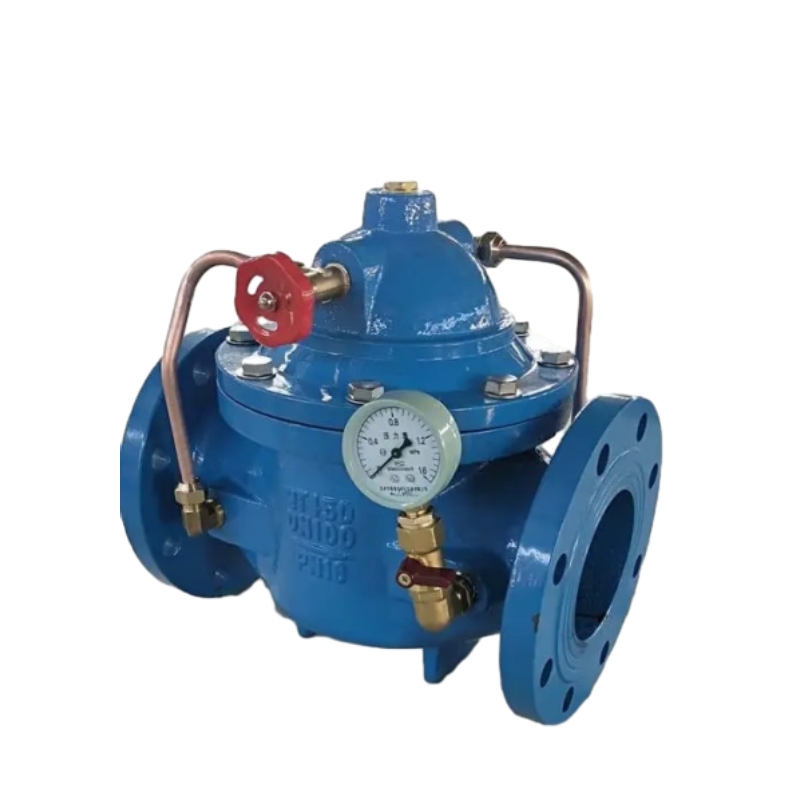
24x30 bathroom mirror
24x30 bathroom mirror
View Details
Our application
-
 read more
 -
 read more
 -
 read more
 -
 read more
 -
 read more
 -
 read more
news and information
Y Type Water Strainer for Efficient Filtration and Flow Management Solutions
Understanding Y-Type Water Strainers A Key Component for Fluid Management Water strainers are critic
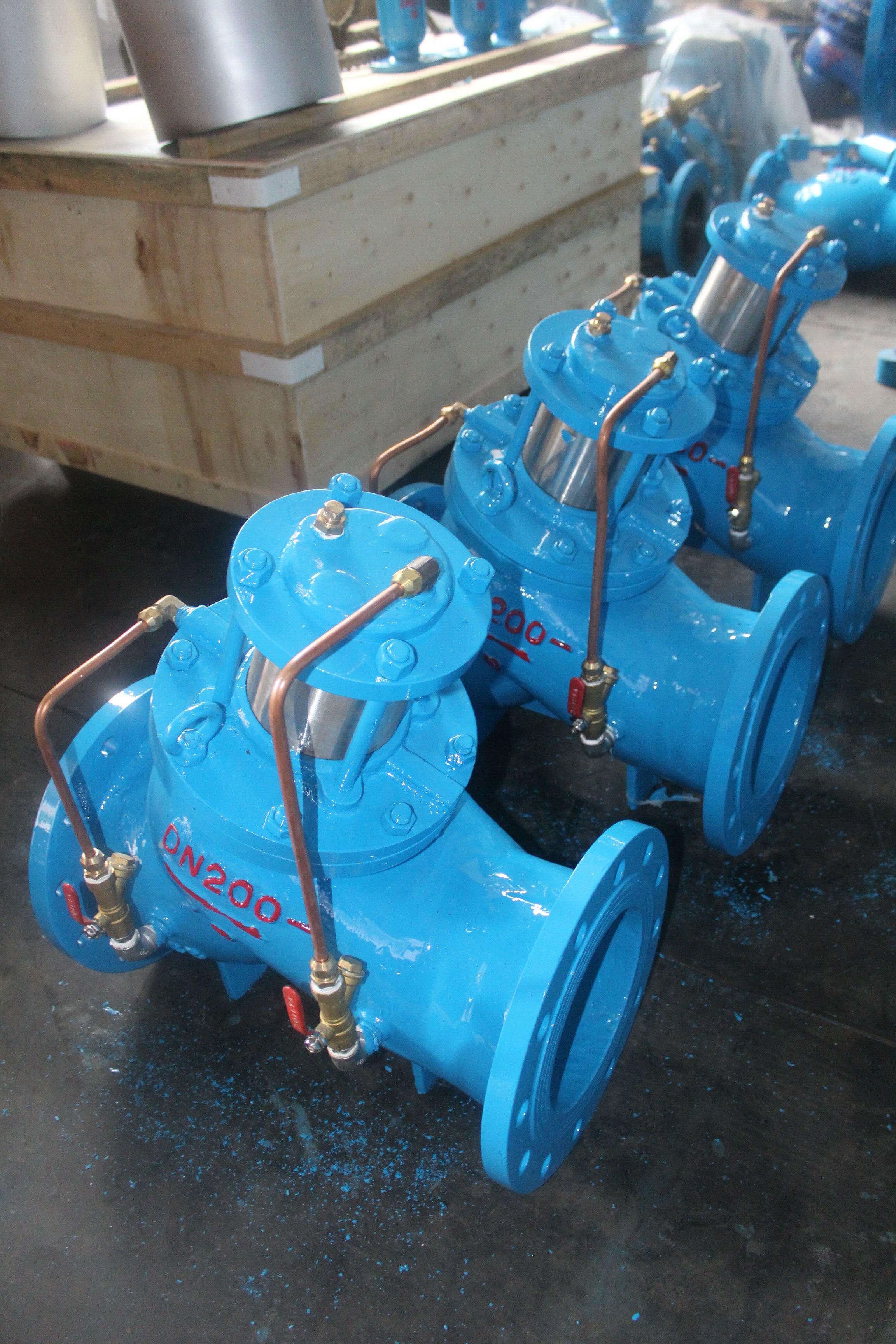
Vanne à soupape flanquée 4 pouces pour applications industrielles et domestiques
Vanne à opercule de 4 pouces avec brides une solution fiable pour les systèmes de conduits Les vann

verschiedene Arten von Regelventilen und ihre Anwendungen
Verschiedene Arten von Regelventilen und deren Anwendungen Regelventile spielen eine entscheidende R